Get Shrub Shaping
Shrub Shaping services help property owners maintain, prune, and reshape shrubs and bushes to improve appearance, health, and manage overgrowth.
Proper shrub shaping can enhance the overall appearance and curb appeal of any property, making it a practical consideration for homeowners and property managers alike. Regularly maintained shrubs not only contribute to a neat and well-kept landscape but can also promote healthy growth and prevent overgrowth that may interfere with structures or pathways. Exploring local contractors who specialize in shrub shaping offers an opportunity to compare options and find the right professional for maintaining the aesthetic and health of outdoor spaces.
For those planning landscaping projects or seeking to improve their property's exterior, understanding the range of services available in the area is a helpful first step. Connecting with experienced service providers can provide insights into different shaping techniques and maintenance approaches. Keep reading to discover how local contractors can assist with shrub shaping needs and help achieve a polished, attractive landscape.
- Shrub pruning - needed when overgrown or unruly shrubs require shaping for aesthetic or health reasons.
- Hedge trimming - appropriate when hedges become dense or uneven, impacting property appearance.
- Topiary shaping - suitable for creating decorative shrub designs or maintaining formal garden styles.
- Bush sculpting - useful when wanting to achieve specific shapes or styles for landscape design.
- Shrub reduction - necessary when shrubs become too large and need to be safely shortened or thinned out.

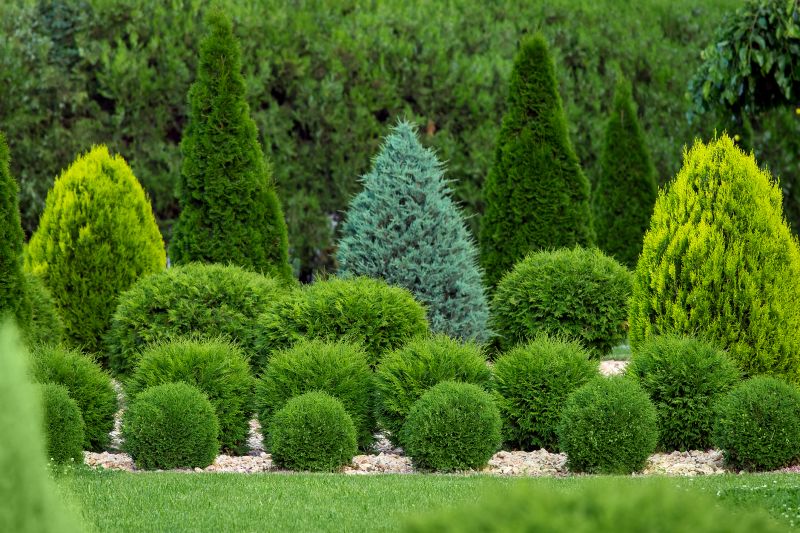
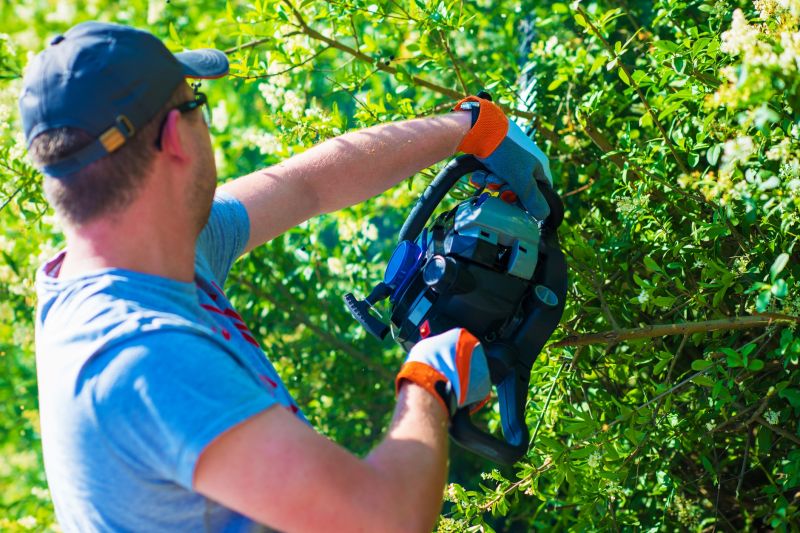
Shrub shaping services involve carefully trimming and sculpting bushes and shrubs to improve their appearance and health. This process typically includes removing overgrown branches, dead or diseased foliage, and shaping the plants into desired forms. Proper shrub shaping can enhance the overall aesthetic of a yard, create a more polished look, and promote healthier growth by allowing better air circulation and sunlight penetration. These services are often performed during regular landscaping maintenance or as a targeted effort to refine the look of specific plants.
Many common problems can be addressed through shrub shaping. Overgrown or unruly bushes can obstruct pathways, windows, or outdoor living areas, making spaces feel cluttered or unkempt. Unshaped shrubs may also develop uneven growth patterns, which can weaken the plant over time or lead to disease. Additionally, poorly maintained bushes can diminish curb appeal and reduce the overall value of a property. Shrub shaping helps resolve these issues by restoring a balanced, tidy appearance and supporting the long-term health of the plants.
Properties that typically utilize shrub shaping services include residential homes, especially those with established gardens or landscaped yards. Homeowners aiming to maintain a neat and inviting exterior often seek this work to keep their bushes looking well-kept. Commercial properties, such as office complexes, retail centers, and community parks, also frequently require shrub shaping to uphold a professional and welcoming environment. Regardless of property size, shrub shaping can be an effective way to maintain an attractive landscape and prevent overgrowth from becoming problematic.
Homeowners and property managers might consider shrub shaping when shrubs become overgrown, misshapen, or uneven. It is also helpful when preparing a property for special events or seasonal changes, ensuring the landscape looks its best. Regular shaping can prevent issues like branch breakage or pest infestations that sometimes occur with neglected plants. By connecting with local contractors who specialize in shrub shaping, property owners can find experienced professionals capable of maintaining healthy, attractive bushes that complement the overall landscape design.
The overview below groups typical Shrub Shaping projects into broad ranges so you can see how smaller, mid-sized, and larger jobs often compare in your area.
In many markets, a large share of routine jobs stays in the lower and middle ranges, while only a smaller percentage of projects moves into the highest bands when the work is more complex or site conditions are harder than average.
Smaller Shrub Shaping - Typical costs range from $100 to $250 for routine trims of small to medium shrubs. Many standard shaping jobs fall within this range, depending on the number and size of plants involved.
Medium-Scale Projects - Larger shrub shaping jobs, such as extensive hedges or multiple bushes, usually cost between $250 and $600. These projects are common for residential landscapes seeking regular maintenance.
Large or Complex Shrub Shaping - More intricate or extensive shaping work, including formal designs or large shrub beds, can range from $600 to $1,500. Fewer projects push into this higher tier, often requiring specialized skills.
Full Shrub Replacement or Major Overhaul - Complete removal and replacement of shrub beds or large-scale landscape redesigns can exceed $5,000. These are less common and involve significant planning and labor by local contractors.
Actual totals will depend on details like access to the work area, the scope of the project, and the materials selected, so use these as general starting points rather than exact figures.
Hedge Trimming - professionals who shape and maintain hedges using precise trimming techniques similar to shrub shaping.
Topiary Art - skilled contractors who create decorative plant sculptures, requiring detailed pruning and planning skills akin to shrub shaping.
Garden Design and Planning - experts who develop landscape plans that incorporate shrub and hedge arrangements, emphasizing aesthetics and structure.
Tree Pruning and Shaping - service providers who carefully prune trees to promote healthy growth and desired form, sharing skills with shrub shaping.
Landscape Maintenance - contractors who perform regular trimming and grooming of plants to keep gardens tidy and visually appealing.
Plant Installation and Landscaping - specialists who design and install new plantings, including shrubs, requiring planning and precise placement skills.
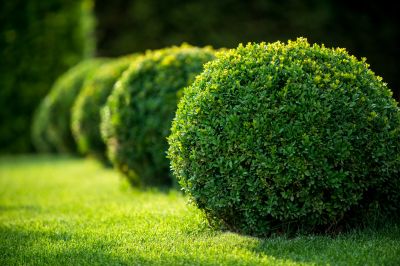
When comparing service providers for shrub shaping, it’s important to consider their experience with similar projects. Look for local contractors who have a track record of handling shrub trimming and shaping tasks comparable to your needs. An experienced professional will understand the nuances of different plant types, growth patterns, and shaping techniques, which can contribute to a more polished and healthy result. Asking for examples of past work or references related to shrub shaping can provide insight into their familiarity with projects like yours and help ensure the contractor has a history of successful outcomes.
Clear, written expectations are essential when evaluating potential service providers. A reputable local contractor should be able to provide a detailed description of the scope of work, including the specific shaping techniques they plan to use and any recommendations for ongoing shrub care. Having these expectations documented helps prevent misunderstandings and ensures both parties are aligned on the project’s goals. It’s also beneficial to discuss any particular preferences you have for the shaping style or height, so that these are clearly communicated and incorporated into the plan.
Effective communication and reputable references are key indicators of a dependable service provider. Reliable local contractors are transparent about their services and willing to share references or examples of their previous shrub shaping projects. Engaging with references or reviews can reveal how well the contractor communicates throughout the project, responds to questions, and handles any issues that arise. Good communication fosters a smoother process and increases confidence that the contractor will listen to your needs and keep you informed from start to finish. Remember, the site connects homeowners with local pros who can handle the work, not the contractors themselves.
Property owners use Shrub Shaping services for practical projects around their homes and businesses. This guide focuses on everyday jobs and straightforward project options.
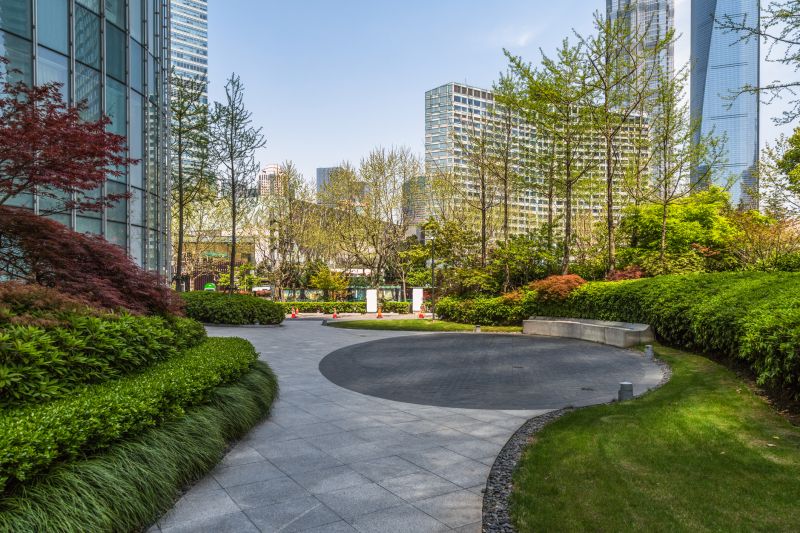
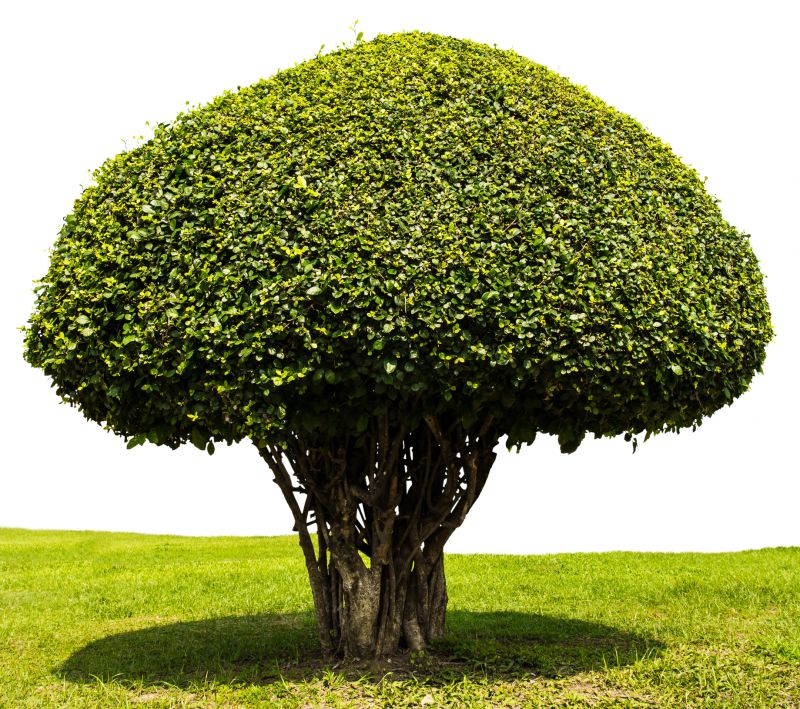
Shrub shaping is a common service for property owners looking to maintain a tidy and attractive landscape. Whether it's trimming overgrown bushes, refining the shape of decorative shrubs, or managing unruly hedges, local contractors can help keep outdoor spaces looking well-kept. Homeowners often seek these services to enhance curb appeal, prepare for special events, or simply ensure their gardens stay healthy and manageable throughout the seasons.
In addition to aesthetic reasons, shrub shaping can also serve functional purposes such as improving sunlight access, controlling growth to prevent obstruction, or creating clear pathways. Property managers and homeowners alike may turn to local service providers to handle routine pruning or to give their landscapes a fresh, polished appearance. Connecting with experienced contractors can help ensure the job is done efficiently and in line with individual landscaping goals.
What is shrub shaping? Shrub shaping involves trimming and sculpting shrubs to improve their appearance and maintain their health.
Why should I consider shrub shaping services? Professional shrub shaping can enhance the landscape's overall look and promote healthy growth of your plants.
What types of shrubs can be shaped? Most common shrub varieties can be shaped, including evergreen, flowering, and ornamental shrubs.
How do local contractors determine the best shaping style? They assess the shrub’s species, size, and your landscape goals to recommend suitable shaping techniques.
Is shrub shaping suitable for all garden sizes? Yes, professional shrub shaping services can be tailored to fit gardens of any size, from small yards to large landscapes.
Garden Aesthetics - Shrub shaping can enhance the visual appeal of a yard, creating a neat and organized look for outdoor spaces.
Privacy Screening - Properly shaped shrubs can serve as natural barriers, providing privacy from neighbors or street views.
Seasonal Maintenance - Regular shrub shaping helps maintain healthy growth and prevents overgrowth during the year.
Landscape Design - Shrub shaping can be part of a broader garden plan, highlighting specific features or creating defined borders.
If you are thinking about Shrub Shaping for a property, this guide is meant to help you understand the work, the typical project types, and how different options might fit your plans.
When you are ready, you can use the quote form on this page to share a few details about your project. From there, local pros can review the basics and respond with options that match what you have in mind.